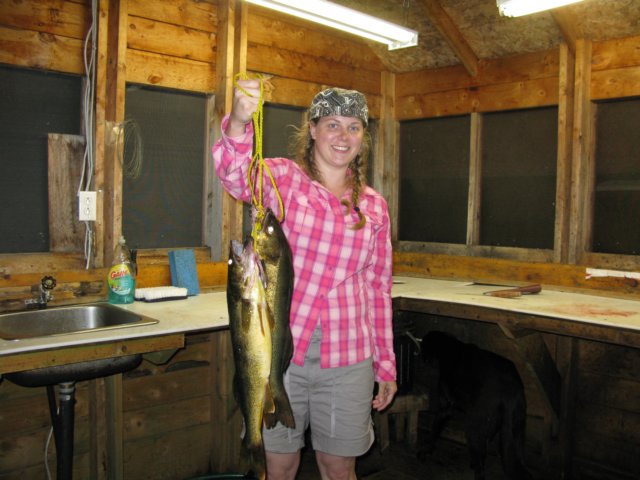
Fishing the outreaches of Ontario Canada can make for the best fishing vacations. You’ll be in a boreal forest dotted with countless lakes strung one after the other, mostly untouched by man. The variety and size of the fish are unrivaled. The lakes and rivers in this country teem with fish. Due to the natural beauty and excellent fishing adventures to be had, Ontario specializes in fishing tourism. There are over 400 fishing lodges dotting the landscape. There are several factors that play into choosing the perfect Canadian fishing lodge for your group.
What fishing lodge options are there in Canada?
There are three types of fishing excursions that you can have at a Canadian fishing lodge. You can go for the super remote fly-in experience, where the only way to reach the lodge is to fly in on a bush plane. You can go to a lodge that’s accessible via a road where you can literally drive up to your cabin – these lodges are referred to as drive-in locations. Or you can boat-in, where the lodge is accessible via water only. The most common of these is the drive-in fishing lodge, so this article will deal specifically with what you want to look for in a drive-in Canadian fishing lodge.
What fishing packages do drive-in fishing lodges offer?
There are roughly two types of vacation packages that drive-in fishing lodges offer in Ontario, the “American Plan” and the “Housekeeping Plan”.
The Housekeeping Plan is the most basic and is relatively self-explanatory. It typically covers items like towels and linens, cooking utensils and dinnerware. Basically, you’re renting a cabin with a kitchen. You bring in your own food.Bait, boat or other gear rentals may be extra, as would a fishing guide. There may be a docking fee if you bring your own boat. This plan is good for the budget-conscious experienced angler.
The American Plan includes a lot more. When a fishing lodge offers this, they provide housekeeping items plus meals. “All-inclusive” fishing packages usually include a fishing guide, boat rental, and other services. Sometimes, you’re allowed to bring your own boat. This option is more expensive but offers a lot more for newbie anglers or those new to fishing Ontario lakes.
There are lodge-specific variations of these packages, so you’ll want to discuss with the lodge owner or manager prior to booking what exactly you are paying for and what you’ll need to supply yourself. Be wary of exceptionally low-priced packages as they likely have a lot of hidden fees. Fuel in a remote location could cost you $6+/ gallon.
Group Considerations that Will Affect Fishing Lodge Choice
Ask yourself the following questions about the group that you’ll be traveling with to really narrow down what sort of drive-in Canadian fishing lodge you want:
1. What are the capabilities of everyone I’m traveling with?
Where you go and what you do will largely depend on the least fit individual of the group. Consider everyone’s age, any pre-existing health conditions, the physical capabilities of each person in the group, gender, and any disabilities. Each of these considerations will impact how far you can travel, what amenities you may need, and what services you may desire.
2. How large is my group?
The number of people in your group may limit your Canadian fishing lodge booking choices. Extra large groups (8+ people) may not be able to stay in the same cabin and super small groups of 2 or less may have problems – there may be a minimum party size of 4 people. You may be able to work out a deal with the lodge for large groups making the per person price drop. The further out in advance you can book the trip the more accommodating your lodge could be.
3. How experienced are the members of my group?
Consider the fishing skills the individual members of your group. How skilled are you and they with driving a boat and landing fish? What sort of lake fishing experience do you all have? In Ontario we have some huge freshwater lakes, making it easy to get lost. Waves get bigger in bad weather. If it’s your first visit and your group is generally inexperienced than you’ll want to consider hiring the services of an experienced fishing guide or pick a smaller lake for the first trip.
Money and Travel Needs Will Also Affect Which Fishing Lodge You’ll Choose
Budget plays a large role in choosing your fishing package and lodge. You’ll also need to consider travel needs. So, ask yourself the following:
4.What is my budget?
You’ll likely pay more for all-inclusive deals, but that may be worth it to your group. You may be able to save more if you’re familiar with the area and are a more experienced angler by going with a housekeeping-only plan. That said, calculate how much it’ll cost for food, gas (to and from), fishing licenses, rentals (if applicable), etc. to get a better picture of how much your vacation is actually going to cost. You may find the savings and the hassle even things out.
5.How far do you want to travel?
If you’re traveling from the United States, you may travel a fair distance just to get to the Canadian border. Past the border, it’s possible to travel up to an additional 6 hours north to reach the furthest points by road. Obviously, how long you want to drive will determine which drive-in Canadian fishing lodges are possibilities.
6.How much gear is coming with you?
Are you and the members of your group relatively light packers? Or will you be carrying kit and kaboodle to make sure you have all contingencies covered? Check with the lodge to see if there’s any luggage or gear limitations.
What fishing experience is your group looking for?
Finally, ask yourself a couple questions regarding what sort of fishing experience does your group want.
7.What fish species do we want to go after?
Not all lakes in Ontario have all fish species. If you’re looking to catch a specific species, like walleye, you’ll want to make sure the lodge you book resides on a lake that has that species.
8.What connectivity and social levels are you looking for?
You can literally “get away from it all” in Ontario. The topography and sparse populations mean that cell and internet services are spotty. Once you get out of populated areas, you’ll likely have to rely on satellite signals. While most drive-in fishing lodges offer some sort of internet service, it will likely be slower than what you are used to at home. Don’t expect to be able to download or stream Netflix on a rainy day. If digital connection is vital to your group, you’ll want to confirm this service with your prospective lodge.
It is also possible to book a drive-in Canadian fishing lodge that is quite remote, possibly even the only lodge on the lake. This could mean that your only human contact would be you, your group, and the lodge staff. For some, that’s heavenly. For others, that would be too lonely. Plan accordingly.
Fishing Lodge Reputations Can Also Help in Choosing the Right Lodge
Chances are you can get a good feel for a prospective fishing lodge by what people say about them. Look at the guest testimonials supplied by the lodge, Google reviews, online fishing forums, Trip Advisor or Expedia, etc. As you review this, what’s the consensus? Remember, one or two negative reviews are likely to be outliers and not representative of the average visit.
A general rule of thumb is to ensure you have a good conversation with the facility owner prior to booking. This will give you the best feel for what the owner is like and what they have to offer you and your fishing group.
If you take the time to think about what it is you’re looking for together, knowing the needs of the people who you’ll be traveling with, choosing a Canadian fishing lodge is relatively easy.Andy Kerecman manages Wildewood on Lake Savant, a drive-in fishing resort with a fly-in feel, and a blog(https://wildewoodonlakesavant.com/about-resort/blog/)that celebrates the pristine landscape around the lake and the amazing trophy fishing that can be had in the remote wilderness of Ontario, Canada.
 fishing and hunting